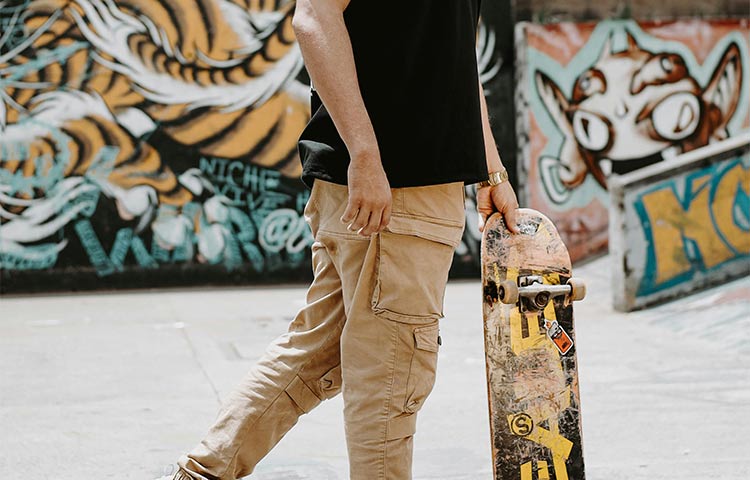
Streetwear is one of those fashion terms that gets thrown around so much it almost loses meaning, but if you’ve ever walked through a city like New York, Tokyo, or even Karachi’s bustling streets and noticed kids rocking oversized hoodies, bold graphic tees, pristine sneakers, and baggy pants with effortless swagger, you’ve seen streetwear in action. It’s not just clothes—it’s a cultural language born from the streets, subcultures, and rebellion against stuffy norms. At its core, streetwear is casual, comfortable fashion that draws from hip-hop, skateboarding, surfing, punk, and urban life, now evolved into a global phenomenon blending high-end luxury with everyday grit.
I remember my first real brush with it back in the early 2010s. I was in a crowded market, and this guy walked by in a Supreme box logo tee, distressed jeans, and chunky dad sneakers. It wasn’t trying too hard, yet it screamed confidence. That moment stuck with me because streetwear isn’t about perfection—it’s about authenticity and telling your story through what you wear.
The Origins: From Subcultures to Something Bigger
Streetwear didn’t pop up overnight in some designer’s studio. Its roots trace back to the late 1970s and 1980s, fusing New York hip-hop culture with California’s laid-back surf and skate scenes.
Think about it: In New York, hip-hop pioneers like Run-D.M.C. and LL Cool J were layering tracksuits, gold chains, and Adidas shellsuits, turning sportswear into statements of identity and pride. Meanwhile, out West, surfers and skaters needed durable, comfy gear that could handle the beach or concrete. Shawn Stussy started scribbling his signature on surfboards and tees in the ’80s, accidentally kicking off a movement with Stüssy.
Then there’s Dapper Dan in Harlem, who was bootlegging luxury logos onto custom pieces for rappers long before luxury brands caught on. These weren’t fashion elites—they were people from the streets creating their own rules.
How Streetwear Evolved Over the Decades
By the 1990s, streetwear exploded globally. Brands like Supreme (founded 1994) and A Bathing Ape (BAPE) from Japan added hype, limited drops, and bold graphics. Japanese street fashion, especially Harajuku styles, brought in quirky, layered looks that influenced everything.
The 2000s saw collaborations skyrocket—think Nike x Supreme or Louis Vuitton x Supreme in 2017, which blurred high fashion and street lines completely. Luxury houses like Gucci and Balenciaga started borrowing oversized silhouettes and logos.
Fast forward to the 2020s and now into 2025-2026: Streetwear has matured but stayed rebellious. The pandemic pushed comfort even further, with relaxed fits dominating. Sustainability crept in, with brands using recycled materials. Digital culture—NFTs, virtual fashion—mixed in, but the core remains physical, wearable rebellion.
Today, it’s less about pure hype and more about community, culture, and personal expression. The market’s worth billions, yet it still feels grassroots in spirit.
Key Characteristics of Streetwear Style
What sets streetwear apart? It’s instantly recognizable once you know what to look for.
- Relaxed, Oversized Fits — Baggy tees, hoodies, and pants prioritize comfort over tailoring.
- Graphic-Heavy Designs — Bold logos, prints, slogans, and art-inspired graphics.
- Sneaker Culture — The shoe is often the centerpiece—think Jordans, Yeezys, or rare collabs.
- Layering — Mixing textures, brands, and eras in one outfit.
- Accessories — Snapbacks, beanies, chains, crossbody bags, and statement socks.
It’s gender-neutral too—hoodies and sneakers don’t discriminate.
Iconic Streetwear Brands That Shaped the Culture
Some brands are legends for a reason. Here’s a quick rundown:
- Supreme — The king of hype. Box logo tees and weekly drops create frenzy.
- Stüssy — The OG. Surf roots with worldwide appeal.
- Off-White — Virgil Abloh’s brainchild, with quotation marks and industrial vibes.
- Palace — Skate-focused with British wit and tri-ferg logo.
- BAPE — Ape heads and camo from Japan, pure ’90s nostalgia.
- Aimé Leon Dore — New York sophistication meets street.
- Corteiz — Rising UK star with cult-like following.
- Human Made — Nigo’s post-BAPE project, playful and thoughtful.
In 2025, newer names like Paly Hollywood, Tern, and Scuffers are making waves with fresh takes on nostalgia and innovation.
Current Trends in Streetwear (2025-2026)
Streetwear keeps evolving. Right now:
- Relaxed and Baggy Everything — Wide-leg pants, oversized shorts, boxy tees.
- Floral and Nature Motifs — Plants, trees, and bold florals on hoodies and shirts.
- Nostalgia Revival — ’90s/’00s vibes with dad caps, cropped tops, and jorts (jean shorts).
- Sustainability Push — Eco-fabrics and ethical production.
- Tech Integration — Smart wearables or AR try-ons, but always grounded in real life.
Shorts are huge—think baggy or cargo styles paired with chunky sneakers.
Pros and Cons of Embracing Streetwear
Pros:
- Super comfortable for daily life.
- Endless personalization and self-expression.
- Strong community and cultural ties.
- Investment potential—limited drops can resell high.
- Inclusive across ages, genders, backgrounds.
Cons:
- Hype culture leads to high prices and fakes.
- Fast trend cycles mean things date quickly.
- Over-commercialization dilutes original spirit.
- Can feel exclusive with resell markups.
It’s a balance—wear what feels right, not what’s trending hardest.
How to Build a Streetwear Outfit: A Simple Guide
Start with basics:
- Top — Graphic tee or hoodie.
- Bottom — Baggy jeans, cargo pants, or joggers.
- Shoes — Statement sneakers (essential).
- Outerwear — Bomber, denim jacket, or windbreaker.
- Accessories — Cap, chain, backpack.
Mix high-low: Pair a luxury piece with affordable basics.
Where to Buy Streetwear in 2025
- Official Sites — Supreme, Stüssy for drops.
- Resellers — StockX, GOAT for rare items.
- Local Spots — Check urban boutiques or markets.
- Affordable Options — Zara, H&M for inspired looks, or emerging brands.
For Karachi folks, online global shipping or local street markets often carry dupes or originals.
People Also Ask
What is the difference between streetwear and casual wear? Streetwear is a subset of casual but with cultural roots, bold graphics, and hype elements. Casual can be plain chinos and a polo—streetwear feels more rebellious and statement-driven.
Is streetwear still popular in 2025? Absolutely. It’s evolved but dominates youth fashion, luxury collabs, and global trends.
What makes streetwear different from athleisure? Athleisure focuses on activewear functionality; streetwear emphasizes culture, graphics, and urban edge over gym use.
Can you wear streetwear to work? Depends on the office—clean sneakers, subtle graphics, and tailored baggy fits can work in creative environments.
How did streetwear influence luxury fashion? Designers like Virgil Abloh and Demna brought street elements (logos, hoodies) into high-end, making luxury more accessible and youthful.
FAQ
What exactly is streetwear? Streetwear is casual, urban-inspired fashion rooted in hip-hop, skate, and surf cultures, featuring comfortable fits, bold graphics, and sneakers as key pieces.
Who started streetwear? No single person, but pioneers include Shawn Stussy, James Jebbia (Supreme), Dapper Dan, and Japanese designers like Nigo and Hiroshi Fujiwara.
Is streetwear expensive? It ranges wildly—from affordable basics to resale prices in the thousands for limited drops.
How do I start dressing in streetwear? Build around comfort: Grab a good pair of sneakers, oversized hoodie, and graphic tee. Experiment with layering and don’t chase every hype item.
Is streetwear dead? Far from it. It’s transformed into a mainstream force while keeping subcultural heart.
Streetwear isn’t just fashion—it’s identity, community, and a reminder that style can come from anywhere, not just runways. Whether you’re in Karachi layering a hoodie against the evening breeze or in Tokyo hunting drops, it’s about owning your look unapologetically. Next time you throw on that favorite tee, remember: you’re part of a decades-long story that’s still being written.