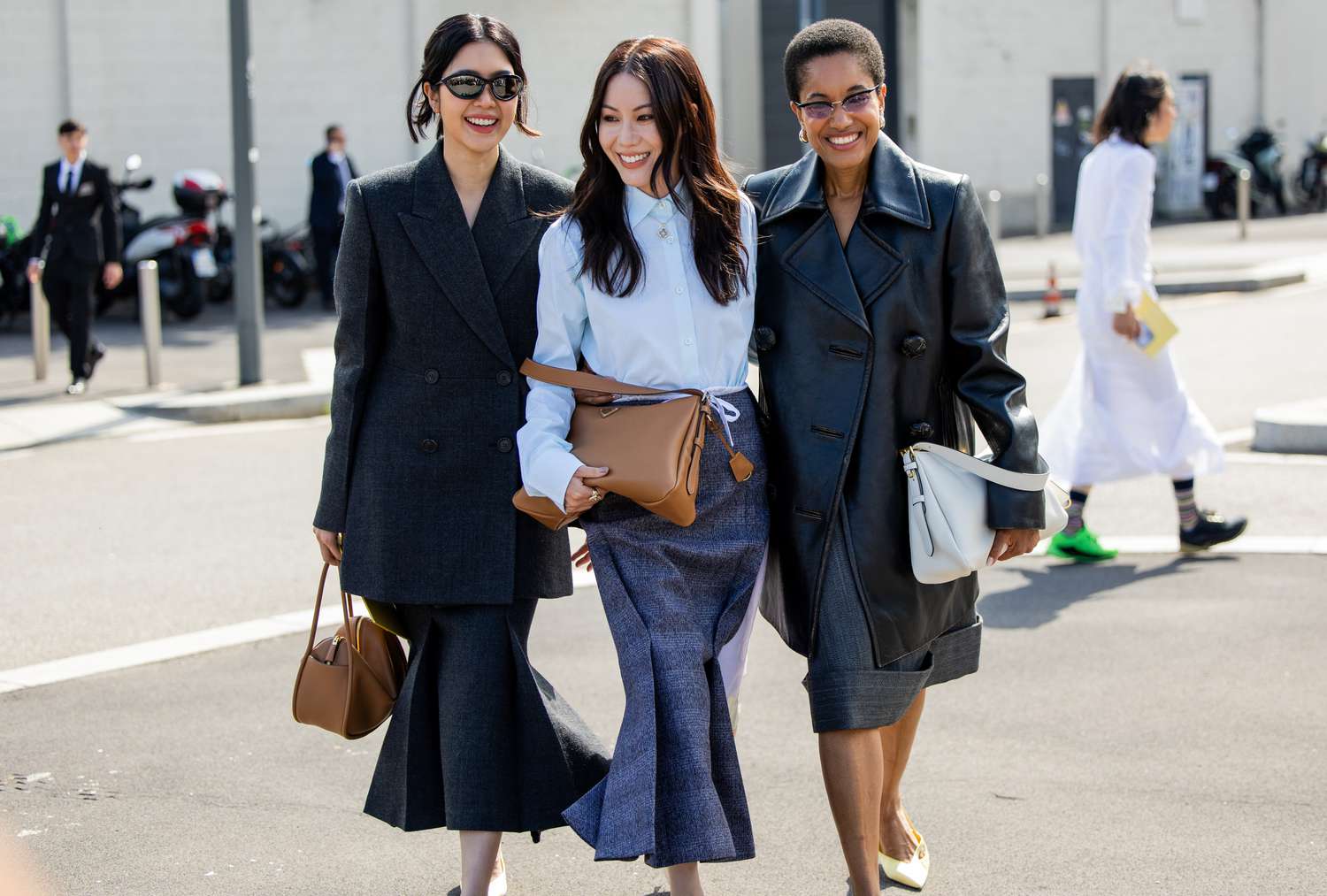
Women’s business casual is that sweet spot in professional dressing where you look put-together, competent, and approachable without feeling like you’re heading to a boardroom in a full suit. It’s the dress code that dominates most modern offices, creative industries, tech companies, and even many traditional fields on non-client days. Think polished but comfortable—enough structure to signal “I’m serious about my work,” but with enough ease so you don’t feel restricted.
I remember my first office job out of college in the early 2010s. The email said “business casual,” and I showed up in what I thought was safe: a crisp white button-down, black slacks, and low heels. Turns out half the team was in dark jeans and nice tops. I felt overdressed one day and underdressed the next until I figured out the unwritten rule—it’s flexible, but never sloppy.
In today’s workplaces (as of 2026), business casual for women has evolved even further with hybrid work, inclusivity, and comfort priorities. It’s about projecting confidence while feeling like yourself.
The Origins and Evolution of Business Casual
Business casual didn’t exist until the late 20th century. It started in the 1980s and 1990s, pushed by tech companies like IBM and casual Fridays in traditional firms to boost morale. For women, it was a breakthrough—moving away from strict skirt suits toward more practical options.
Fast-forward to now: post-pandemic shifts made comfort king. Remote work blurred lines, but returning to offices brought a refined version—elevated basics with personality. In 2025-2026 trends, wide-leg trousers, midi dresses, and smart sneakers (yes, in some offices) are common.
One shift I’ve noticed: more color and texture. Neutrals still rule for safety, but soft pastels, subtle patterns, and knitwear add warmth without losing professionalism.
Key Elements of Women’s Business Casual Attire
The foundation is balance: mix structured pieces with softer ones.
Tops should be modest—no deep V-necks, bare shoulders, or crop tops. Go for blouses, button-downs, knit sweaters, or polished tees.
Bottoms: tailored pants, knee-length or midi skirts, or dresses. Dark jeans work in many places if clean and fitted.
Layers like blazers or cardigans add polish.
Shoes: closed-toe flats, loafers, low heels, ankle boots. Sneakers sneak in if sleek and non-athletic.
Accessories: minimal jewelry, a nice watch, structured bag.
Avoid: ripped anything, athletic wear, flip-flops, very short hemlines.
A quick rule: if you’d wear it to brunch with your mom, it’s probably too casual.
What to Wear: Core Pieces Every Woman Needs
Build a versatile wardrobe with these staples.
- Tailored trousers or chinos in neutral colors (black, navy, gray, beige).
- Dark-wash jeans (no distressing) for relaxed days.
- Blouses in silk, cotton, or knit—solid or subtle patterns.
- Cardigans or lightweight blazers.
- Midi skirts or shift dresses.
- Loafers, ballet flats, or block-heel pumps.
- Structured sweaters or turtlenecks for cooler months.
With these, mix and match endlessly.
Outfit Ideas for Different Scenarios
Everyday Office Look Wide-leg trousers + tucked-in silk blouse + loafers + simple gold necklace. Add a blazer if meetings loom.
Client Meeting Boost Midi pencil skirt + fitted sweater + blazer + low heels. It’s professional yet feminine.
Creative Field Casual Dark jeans + nice top + cardigan + ankle boots. Comfortable for brainstorming.
Winter Version Tailored pants + turtleneck + long cardigan or blazer + boots. Layer for warmth.
Summer-Friendly Breathable linen-blend pants + sleeveless blouse (layered if AC is aggressive) + flats.
I’ve worn a simple navy blazer over a white tee and jeans to countless meetings—it feels effortless but commands respect.
Comparison: Business Casual vs. Other Dress Codes
| Dress Code | Tops | Bottoms | Shoes | Overall Vibe |
|---|---|---|---|---|
| Business Professional | Button-downs, blouses | Suit pants/skirts | Closed-toe heels/pumps | Formal, structured |
| Business Casual | Blouses, sweaters, polos | Tailored pants, skirts, dark jeans | Flats, loafers, low heels | Polished, approachable |
| Smart Casual | Nice tops, casual button-downs | Chinos, dark jeans | Loafers, clean sneakers | Relaxed professional |
| Casual Friday | Polos, tees (nice ones) | Jeans, khakis | Casual shoes | Very relaxed |
Business casual sits comfortably in the middle—professional enough for most roles, relaxed enough for daily wear.
Pros and Cons of Business Casual
Pros
- Comfort: Move freely without suit stiffness.
- Versatility: Pieces transition from office to after-work drinks.
- Cost-effective: Invest in quality basics that last.
- Personality: Add color or accessories to show individuality.
- Inclusivity: Accommodates different body types and styles.
Cons
- Ambiguity: “Casual” varies by company—can lead to stress.
- Overthinking: Risk of veering too casual or too formal.
- Seasonal challenges: Balancing layers in unpredictable weather.
- Maintenance: Wrinkle-prone fabrics need care.
Overall, pros outweigh cons when you nail your company’s version.
People Also Ask (PAA) Section
Here are common questions people search about women’s business casual.
What is the difference between business casual and business professional for women? Business professional means full suits, structured pieces, and more formal footwear. Business casual relaxes that—no full suit required, jeans sometimes okay, and comfort-focused items like sweaters.
Are jeans acceptable in women’s business casual? Yes, in many offices—stick to dark-wash, no rips, well-fitted. Pair with polished tops and shoes. Check your workplace; conservative fields may say no.
Can women wear dresses for business casual? Absolutely. Knee-length or midi shift, wrap, or A-line dresses work great. Add a blazer or cardigan for structure.
What shoes are appropriate for women’s business casual? Closed-toe flats, loafers, low block heels, ankle boots. Avoid open-toe sandals, flip-flops, or athletic sneakers unless the office is very relaxed.
How do I dress business casual in summer/winter? Summer: breathable fabrics, sleeveless (modest) tops, linen blends. Winter: layers like turtlenecks, cardigans, boots.
FAQ: Quick Answers to Common Questions
Is a blazer necessary for business casual? Not always, but it’s a great safety net. It elevates any outfit instantly.
Can I wear sneakers? In modern offices, yes—if they’re clean, minimalist leather or canvas styles. Avoid bright running shoes.
What colors work best? Neutrals (black, navy, gray, white) are safe. Add pops of color in tops or accessories for personality.
How strict is business casual really? It depends on industry and company culture. Tech and creative fields lean relaxed; finance and law stay more structured. Observe colleagues on day one.
Where can I shop for affordable business casual pieces? Try Ann Taylor, Express, Zara, H&M (for trends), Uniqlo (basics), or thrift/consignment for quality finds.
Final Thoughts: Owning Your Business Casual Style
At its best, women’s business casual lets you feel confident without trying too hard. It’s not about perfection—it’s about showing up as your professional self while staying comfortable.
Start simple: invest in a few quality neutrals, then experiment. Pay attention to your office’s vibe, and don’t be afraid to ask HR if unsure.
You’ve got this. The right outfit isn’t just clothes—it’s armor for tackling your day.