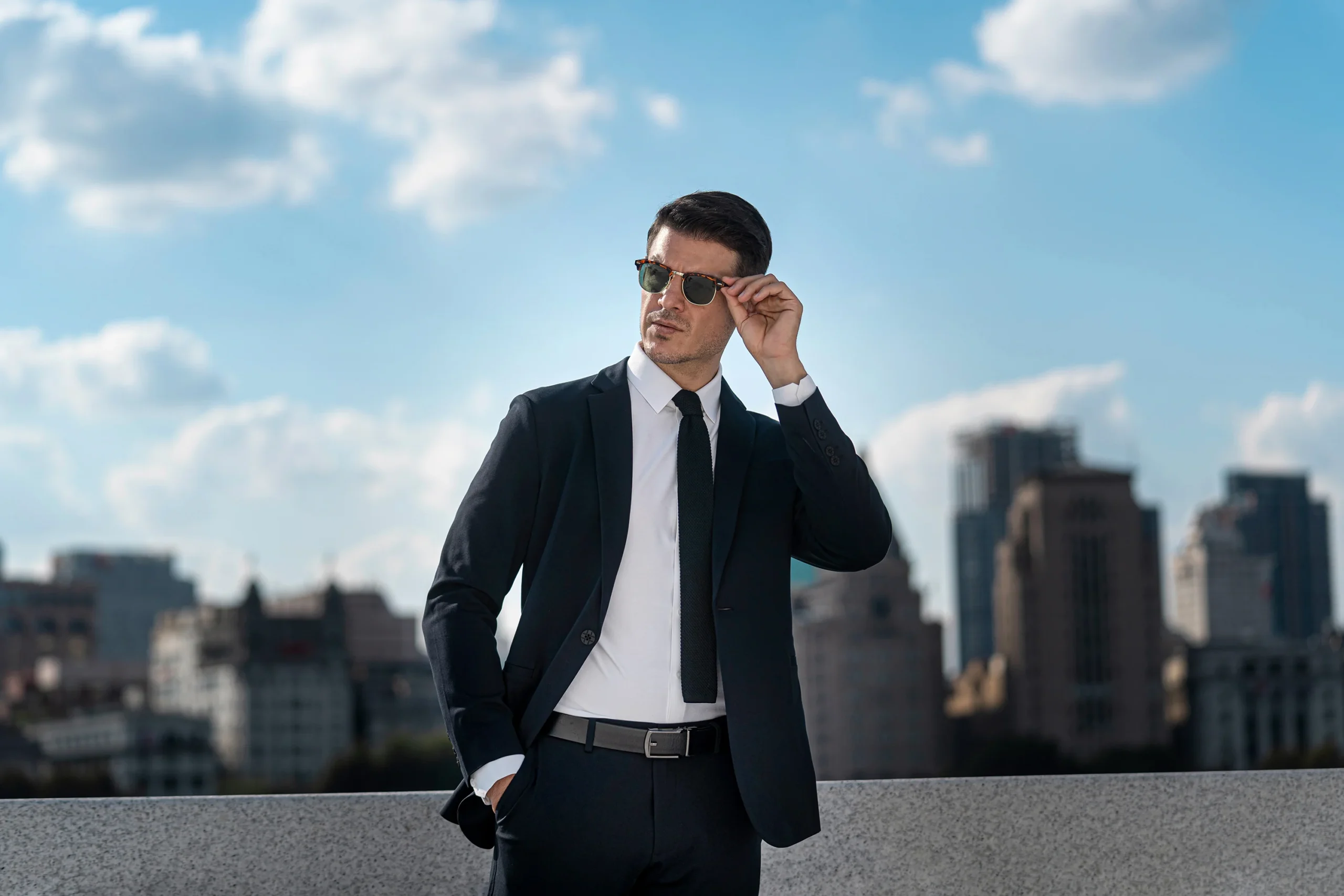
Business casual. You’ve heard the term tossed around in job descriptions, team emails, and awkward first-day outfit crises. It sounds straightforward—business plus casual—but anyone who’s stood in front of a closet wondering if dark jeans count or if a polo is “too much” knows it’s anything but. The truth is, business casual has always been a moving target, shaped by industry, company culture, region, and even the post-pandemic shift toward comfort without sacrificing professionalism.
I remember my first office job out of college in the early 2010s. The handbook said “business casual,” so I showed up in khakis and a button-down, feeling safe. Then I saw my manager in dark denim and a blazer, and a colleague in a sweater dress with flats. I spent the next week overanalyzing every outfit. Sound familiar? That’s the charm—and frustration—of business casual. It’s flexible, empowering, but demands judgment.
In this guide, we’ll break down what it truly means in 2026, with real examples, comparisons to other codes, outfit ideas, and tips to nail it without second-guessing.
The Core Definition of Business Casual
At its heart, business casual strikes a balance: polished enough to command respect in a professional setting, relaxed enough to feel human. No full suit required, no tie mandatory, but no gym clothes or flip-flops either.
It’s a step down from traditional business professional (think suits and ties) and a step up from smart casual or full casual. The goal? Look competent, approachable, and put-together while staying comfortable for long days.
Companies love it because it boosts morale—people feel more like themselves. But ambiguity leads to confusion, so context always rules.
Why Business Casual Confuses Everyone
The term emerged in the 1990s as offices relaxed dress codes to attract talent, especially in tech and creative fields. Today, with hybrid work and generational shifts, it’s evolved further. What was “casual Friday” jeans is now weekday norm in many places.
Yet no universal rulebook exists. A finance firm in Karachi might lean conservative, while a startup in Silicon Valley allows hoodies. Always check your employee handbook or observe colleagues during the first week.
The key? Err on the side of slightly more polished until you gauge the vibe.
Business Casual vs. Other Dress Codes: A Clear Comparison
Understanding relatives helps clarify boundaries.
- Business Professional: Full suits, ties, dress shirts, polished shoes. Common in law, banking, government. Think job interviews or client meetings.
- Business Casual: No suit jacket required daily, ties optional, more fabric choices like chinos or knits. Everyday office wear in most modern companies.
- Smart Casual: Adds trendy elements—clean sneakers, unstructured blazers, patterned shirts. More fashion-forward, often for creative roles or after-work events.
- Casual: Jeans with tees, sneakers, hoodies. Rare in traditional offices but common in tech or remote setups.
Here’s a quick table for visual clarity:
| Dress Code | Tops | Bottoms | Outerwear | Shoes | Tie? | Typical Industries |
|---|---|---|---|---|---|---|
| Business Professional | Dress shirt, suit jacket | Suit pants/skirt | Full suit | Oxfords, pumps | Yes | Finance, Law, Corporate |
| Business Casual | Button-down, polo, blouse, sweater | Chinos, slacks, dark jeans | Blazer optional | Loafers, flats, boots | Optional | Most offices, Tech, Marketing |
| Smart Casual | Polo, Henley, stylish shirt | Chinos, dark jeans | Unstructured blazer | Clean sneakers, boots | No | Creative, Startups |
| Casual | Tee, hoodie | Jeans, shorts | Jacket optional | Sneakers, sandals | No | Very relaxed or remote |
Use this as your cheat sheet when decoding a vague policy.
Business Casual for Men: Practical Outfit Ideas
Men’s business casual has simplified over years—fewer ties, more versatility.
Core pieces include:
- Tops: Button-down shirts (Oxford cloth shines), polos in solid or subtle patterns, lightweight sweaters or henleys. Avoid graphic tees or anything too sporty.
- Bottoms: Chinos, khakis, wool trousers, or dark-wash jeans (no rips, no skinny fits). Stick to tailored fits.
- Outerwear: Blazer or sport coat for meetings, cardigan for cooler days.
- Shoes: Leather loafers, Oxfords, derbies, or Chelsea boots. Clean dress sneakers work in progressive offices.
Example outfits:
- Navy chinos + light blue button-down + brown loafers + optional gray blazer. Classic, safe, versatile.
- Dark jeans + white polo + navy cardigan + leather sneakers. Modern twist for creative teams.
- Gray trousers + patterned button-down (subtle checks) + suede chukkas. Adds personality without overdoing it.
Pros of men’s business casual: Easy to mix/match, less pressure on accessories. Cons: Can feel repetitive if sticking to neutrals.
Business Casual for Women: Versatile and Empowering Options
Women’s options offer more variety—dresses, skirts, pants, layers.
Key items:
- Tops: Blouses (silk or cotton), sweaters, knit tops, tailored button-downs. Avoid low necklines or sheer fabrics.
- Bottoms: Tailored pants, knee-length skirts, chinos, dark jeans. Midi dresses work well.
- Dresses: Shift, wrap, or sheath styles in solid colors or subtle prints.
- Outerwear: Blazers, cardigans, lightweight jackets.
- Shoes: Flats, low heels, loafers, ankle boots. Closed-toe preferred.
Outfit examples:
- Black tailored trousers + white blouse + black blazer + pointed flats. Timeless power look.
- Midi floral dress + denim jacket + nude flats. Feminine yet professional.
- Khaki chinos + striped sweater + loafers + simple gold jewelry. Effortless weekday staple.
Pros: Endless layering and color play. Cons: More judgment on fit/modesty in conservative settings.
What to Avoid in Business Casual (The Common Pitfalls)
Even safe choices can go wrong:
- Too casual: Athletic wear, shorts, flip-flops, ripped clothing.
- Too revealing: Short skirts, low-cut tops, bare midriffs.
- Overly sloppy: Wrinkled shirts, stained items, unkempt hair.
- Too flashy: Neon colors, loud patterns, excessive logos.
If in doubt, ask yourself: Would I wear this to meet a client? If no, swap it.
Accessories, Grooming, and Finishing Touches
Accessories elevate basics:
- Belts (match shoes), simple watches, minimal jewelry.
- Scarves or pocket squares for pops of color.
- Bags: Structured totes or leather backpacks.
Grooming matters as much as clothes—clean nails, neat hair, subtle fragrance.
Adapting Business Casual Across Industries and Seasons
Tech startups lean casual—jeans and polos. Finance stays closer to professional—blazers common. Creative fields embrace patterns and trends.
Seasonally: Layer with cardigans in winter, breathable fabrics in summer. In warmer climates like Karachi, opt for lightweight cottons and linens.
People Also Ask (Real Google Questions Answered)
What is the difference between business casual and smart casual? Business casual feels more structured and office-ready (think button-downs and chinos), while smart casual allows trendier, relaxed pieces like clean sneakers or unstructured jackets.
Can you wear jeans to business casual? Yes—dark, well-fitted jeans without distress. Pair with polished tops and shoes. Skip in conservative offices.
Is a polo shirt business casual? Generally yes, especially solid colors. Avoid overly sporty fabrics or logos.
What shoes are appropriate for business casual? Closed-toe options like loafers, flats, Oxfords, or low boots. Sneakers only if clean and in relaxed environments.
Does business casual require a blazer? No—optional for polish, especially in meetings.
FAQ: Quick Answers to Common Questions
1. How do I know if my outfit is too casual? If it’s something you’d wear to run errands on Saturday, rethink it. Aim for “elevated everyday.”
2. Can I wear sneakers in business casual? In modern offices, yes—leather or minimalist styles. Avoid running shoes.
3. What about remote work—does business casual apply? For video calls, yes—top half matters. Bottoms can relax, but stay prepared.
4. How has business casual changed post-pandemic? More comfort-focused: knits, stretch fabrics, fewer ties. Hybrid work blurred lines further.
5. Best places to shop for business casual? Affordable: Zara, H&M, Uniqlo. Mid-range: Banana Republic, J.Crew, Express. Premium: Theory, Everlane.
Final Thoughts: Own Your Version of Business Casual
Business casual isn’t about rigid rules—it’s about projecting confidence and respect while feeling like yourself. Start conservative, observe your workplace, then inject personality.
Next time you dress for work, remember: the goal isn’t perfection. It’s looking capable, approachable, and ready to contribute. You’ve got this.