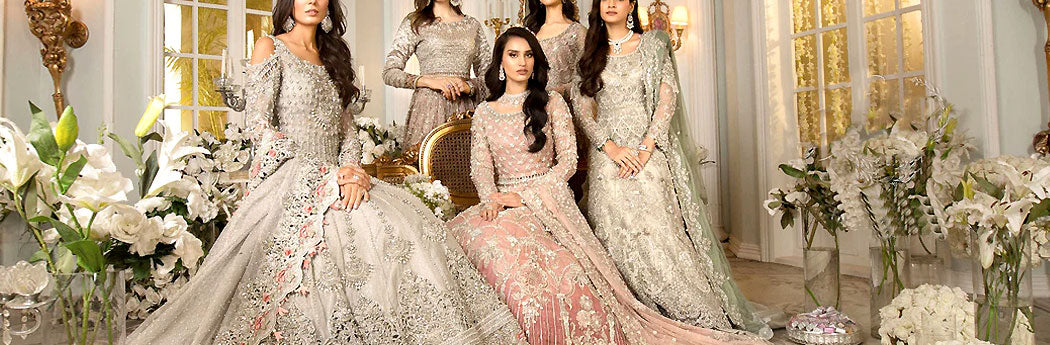
An evening dress, often called an evening gown, stands apart from everyday or even semi-formal clothing through a combination of deliberate elegance, luxurious materials, and a design meant to shine under evening lights at formal occasions. It’s not just a longer or fancier dress—it’s a statement piece built for sophistication, glamour, and a touch of drama after dark.
What truly defines it is the intent: to elevate the wearer for events where daytime rules don’t apply, like galas, operas, black-tie weddings, or red-carpet affairs. The silhouette, fabric choices, and details work together to create that unmistakable aura of refinement.
The Core Elements That Define an Evening Dress
Evening dresses prioritize luxury and femininity in ways casual or day dresses never do. They embrace elements that catch light, flow gracefully, and highlight the body’s lines without feeling restrictive.
Key features include full-length hemlines (often floor-sweeping or ankle-grazing), opulent fabrics like silk, satin, chiffon, velvet, or organza, and embellishments such as beading, sequins, embroidery, or draping. Necklines tend to be lower or more dramatic—think plunging V-necks, off-the-shoulder, halter, or strapless—while arms are frequently bare or lightly covered.
These choices aren’t random; they stem from centuries of tradition where evening wear signaled status and separated night from day.
Historical Evolution of the Evening Dress
The story of the evening dress begins in the royal courts of 15th-century Europe, particularly the Burgundian court under Philip the Good, where elaborate clothing marked rank and power.
By the late 18th century, as balls opened beyond aristocracy, the “evening gown” emerged with lower necklines, short sleeves, and rich fabrics.
The 19th century brought dramatic shifts—from Empire waistlines in the early 1800s to voluminous crinolines and bustles in the mid-to-late Victorian era. Gowns featured low, wide necklines, shiny silks, and intricate trims.
The 20th century modernized it: bias-cut “goddess” gowns in the 1930s, structured hourglass shapes in the 1950s post-Dior’s New Look, and sleek minimalism in later decades. Today, it blends timeless elegance with contemporary twists.
I remember flipping through my grandmother’s old photo albums—her 1950s satin gown with a fitted bodice and full skirt still looks stunning. It captures how these pieces become family heirlooms, carrying stories across generations.
Key Characteristics and Design Features
Several elements consistently mark a true evening dress.
- Length: Typically floor-length or tea-length (mid-calf to ankle), creating a sweeping, graceful movement.
- Fabrics: Luxurious and light-reflective—silk for sheen, velvet for richness, chiffon for flow, satin for smoothness.
- Silhouettes: Varied but elegant—A-line for flattery, mermaid for drama, sheath for sleekness, ball gown for fullness.
- Details: Beading, lace overlays, trains, corsetry, or asymmetric cuts add intrigue.
- Neckline and Sleeves: Often strapless, one-shoulder, or deep V; sleeves (if present) are long and sheer or absent to bare arms.
These features ensure the dress feels special, not everyday.
Popular Silhouettes and Styles
Different body types and preferences find their match in evening dress silhouettes.
The A-line offers a fitted bodice with a flared skirt—timeless and forgiving.
Mermaid or trumpet hugs curves before flaring at the knees—ideal for dramatic entrances.
Sheath stays close to the body—sophisticated and modern.
Ball gown features a structured bodice and voluminous skirt—pure fairy-tale romance.
Empire raises the waistline under the bust—great for comfort or vintage vibes.
Each silhouette serves a purpose, from highlighting an hourglass figure to creating flowy movement on the dance floor.
Fabrics That Make the Magic Happen
Fabric choice separates an evening dress from something you might wear to brunch.
Silk feels cool and drapes beautifully under lights.
Satin delivers that glossy, high-shine finish.
Chiffon adds ethereal layers and gentle movement.
Velvet brings depth and texture, perfect for cooler evenings.
Organza provides structure and subtle sparkle.
These materials aren’t just pretty—they catch candlelight or flashbulbs in ways cotton or jersey never could.
Evening Dress vs. Similar Garments: A Clear Comparison
To understand what makes an evening dress unique, compare it to close relatives.
| Feature | Evening Dress/Gown | Cocktail Dress | Prom Dress | Bridesmaid Dress |
|---|---|---|---|---|
| Length | Floor-length or ankle-grazing | Knee to midi | Varies, often long | Varies, coordinated |
| Formality | Black-tie/formal | Semi-formal | Semi-formal to formal | Wedding-specific |
| Fabrics | Luxe (silk, velvet, etc.) | Lighter (lace, crepe) | Often sparkly/beaded | Matching group fabrics |
| Embellishments | Heavy (beading, trains) | Moderate | Youthful/glam | Subtle, uniform |
| Occasions | Galas, operas, weddings | Parties, dinners | School events | Weddings |
Cocktail dresses suit mingling and dancing in shorter, playful styles. Evening gowns demand grandeur.
Pros of evening dresses: Timeless impact, versatile for photos, feel luxurious.
Cons: Can be pricey, require careful accessorizing, less practical for dancing all night.
Accessories That Complete the Look
No evening dress stands alone—accessories elevate it.
Pair with strappy heels or elegant pumps (avoid chunky styles).
Add statement jewelry—drop earrings, a choker, or cuff bracelets.
Carry a small clutch instead of a large bag.
Consider evening gloves for vintage flair or a wrap/shawl for cooler venues.
These touches turn a beautiful dress into a polished ensemble.
Where to Find Quality Evening Dresses
Look for reputable designers like Monique Lhuillier, Tadashi Shoji, or Adrianna Papell for timeless pieces.
Retailers such as Bloomingdale’s, Anthropologie, or specialized sites offer ranges from affordable to couture.
Rentals through services provide access to high-end looks without the full cost.
Second-hand platforms uncover vintage treasures with unique stories.
Always check sizing charts and reviews—fit matters most.
People Also Ask (PAA) Section
What is the difference between an evening dress and a cocktail dress? Evening dresses are typically floor-length and more formal, suited for black-tie events, while cocktail dresses hit knee to midi length for semi-formal occasions.
What should you wear with an evening dress? Opt for elegant heels, minimal but impactful jewelry, a clutch, and perhaps a wrap. Keep accessories complementary to let the dress shine.
Can an evening dress be short? Traditionally no—true evening gowns are long. Shorter styles fall into cocktail or semi-formal categories.
What is black-tie attire for women? Floor-length evening gowns in luxurious fabrics, paired with sophisticated accessories—no exceptions for ultra-formal events.
How do I choose an evening dress for my body type? A-line flatters most shapes; mermaid highlights curves; sheath suits slim figures. Try on multiple silhouettes to see what feels best.
FAQ: Common Questions About Evening Dresses
What exactly makes a dress an “evening” dress? It’s the combination of length (usually full), luxurious fabrics, dramatic details, and design suited for formal nighttime events—creating elegance that daytime wear lacks.
Are evening dresses only black? No—while black is classic, jewel tones, metallics, pastels, and bold colors work beautifully depending on the event and season.
Can I wear an evening dress to a wedding? Yes, especially black-tie or formal ones. Avoid white or anything bridal-like, and coordinate with the venue’s vibe.
How should an evening dress fit? It should skim the body comfortably—fitted but not tight, with proper bust support and hem that doesn’t drag awkwardly.
Is it okay to alter an evening dress? Absolutely—tailoring ensures perfect fit. Many buy with alterations in mind for bust, waist, or length tweaks.
In the end, an evening dress transcends clothing—it’s armor for confidence, a canvas for self-expression, and a nod to tradition. Whether vintage satin from decades past or a modern draped chiffon, it reminds us that some moments deserve to feel extraordinary. Next time you slip one on, notice how it changes your posture, your walk, your whole presence. That’s the real magic.